Spasm and zombies!

Spasm is a new thriller by Robin Cook! That is surprising because he is 86 years old!

Then again the blog is not about good Old Robin!

It is about what the novel is about! the ZOMBIES of microbiology!

Yes! You thought that zombies are not real! Well they are!

So much so that just like the actual zombies; some scientists do not believe that they exist!

Without further ado; the blog is about PRIONS!

Prions are one of the most bizarre and terrifying infectious agents known to science, fundamentally challenging the definition of “alive.”

They are not bacteria, viruses, or fungi, but rather misfolded proteins that can force normal proteins to misfold in a, self-propagating, deadly cycle!

They are alive but barely so since they contain no genetic material (no DNA or RNA). They are simply proteins that have adopted an abnormal, disease-causing shape (PrPSc)!

Now since they are not alive, they cannot be killed in the traditional sense! They are notoriously resistant to sterilization, surviving autoclaving, radiation, boiling, alcohol, and formaldehyde!

In fact they can be ‘alive’ even in dead bodies of your cadaveric lab! A nightmare for any med student!

They can even persist for decades! Prions can remain infectious in the environment (soil, water) for years, resisting natural degradation.

American biologist Stanley B. Prusiner coined the term “prion” (short for proteinaceous infectious particle) in 1982. He received the Nobel Prize in Medicine in 1997 for his discovery.

For decades, physicians believed that diseases like Kuru and CJD were caused by “slow viruses” because of their long incubation times.

Creutzfeldt-Jakob disease (CJD), Variant CJD (linked to mad cow), Kuru, and Fatal Familial Insomnia (which stops people from being able to sleep) are known to be due to the Prions!

Misfolded proteins are now linked to Alzheimer’s, Parkinson’s, and ALS, which have shown to operate in a similar, “prion-like” mechanism!

Because prions are made of natural proteins, they do not trigger an immune response, making them invisible to the body’s defense!

By the way; it is a disease which can be transmitted by eating or consuming even infected ‘brains’! Which is why it can be seen in cannibals who eat brains!

Which is maybe why we always say don’t eat my brain! Or was it don’t eat my head!
My brain is not working me thinks!

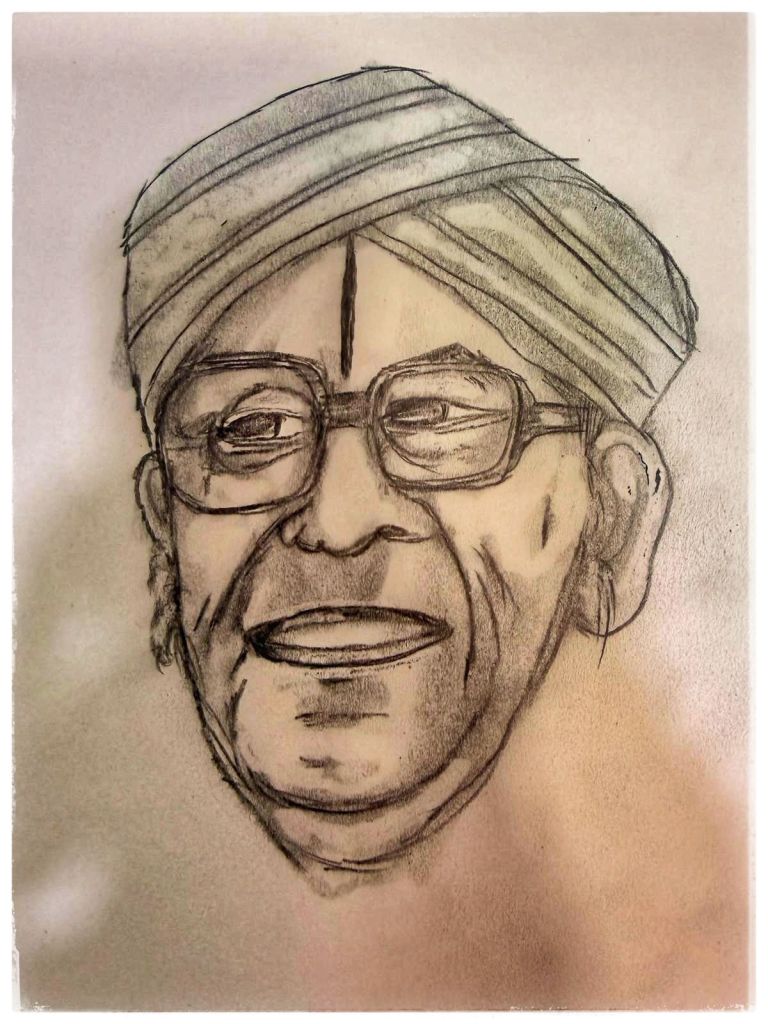
But at least it knows that Subhash Chandra Bose is the real revolutionary and one of the greatest freedom fighter ever!

A humble sketch of a fighter I truly respect

Now keep rest to your brain or you may look like a zombie Tommorow!

Rage bait or click bait!

In the era of social media if you do not know this word, well then you are not in this world!

I did not know this till yesterday when it came in the NYT crossword!

I thought it was some new word and later found out that it was the Oxford University Press word of the year 2025!

The word is called RAGE BAIT!

Now now, do not get upset (or get into a RAGE!) if you did not know the word! You still experience it day to day! You just did not know that it is what it is!

There is still hope for you and me!

Coming back to some free knowledge so that you look tech savvy and at least do not fumble when you solve the NYT crossword!

So Rage bait is online content created specifically to provoke anger, outrage, or strong negative emotions to drive engagement (likes, comments, shares) and traffic, often for financial gain!

It exploits psychological vulnerabilities, using deliberately offensive, frustrating, or polarizing material to keep users scrolling and interacting, even if the interaction is hostile!

The fact here is that the content is not accidental! It is designed to offend or challenge beliefs or cause intentional provocation!

It also aims to bypass rational thought and trigger strong emotional responses like anger and moral outrage! Then again finally in the age of social media; any publicity is good!
The end intent is to get comments, shares, and views, which algorithms boost, increasing visibility and revenue!

The whole idea is that it thrives on creating division, making users feel they must take a side! For the ‘young’ it can be a take on intentionally bad art or music while for the ‘older’ generation it is usually a misleading political or religious statement!

We all fall for it time and again!

This is not trolling or click bait though!

Rage bait and trolling both provoke strong negative emotions online, but rage bait is content specifically engineered to maximize engagement.

In contrast, trolling is a broader term for deliberately upsetting people for personal amusement, causing drama, or disruption, and may not always have a clear monetization goal like rage bait does, though they overlap significantly!

Finally you have the CLICKBAIT which I was aware of! (some hope for me after all!)

So Clickbait uses curiosity or mystery to get clicks! Lile many times how I start my blogs! That is a very obvious click bait!

The premise and intent though is not the same!

Click baits targets your Curiosity while Anger is the target for Rage Bait!

Clickbait though often relies on misleading titles while Rage bait can use truthful but manipulated content to provoke outrage!

Finally Clickbait leads to a click while Rage bait keeps you on the page arguing in the comments!

In short Clickbait can take you somewhere while Rage bait keeps you angry and in the same place!

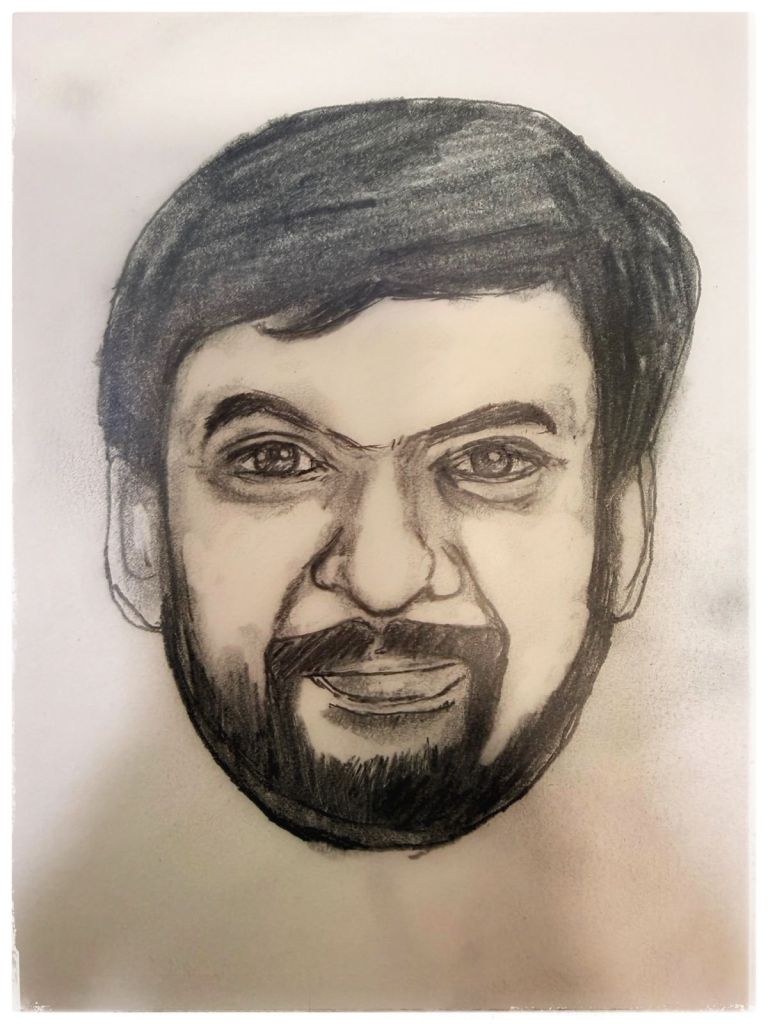
Like how acting by Neeraj Vora can baiy you and keep you hooked!

Now stop clicking links and sleep!

Shubh ratri!

Magic bullet!

Do you know what are the MAGIC BULLETS?

As early as early 1900s; Paul Ehrlich proposed the “magic bullet” concept—a substance that could selectively target and destroy disease-causing agents, laying theoretical groundwork!

Most of the time; side effects of a drug is because of lack of specificity! Like you have a simple analgesic which acts on the pain receptors but also on gastric mucosa! So it may relieve pain but can cause gastritis!

This is practically why drugs used in Chemotherapy have many side effects since they also act on normal cells! It is the same even in medications such as in allergy where medications do give relief but cause side effects!

The MAGIC BULLETS concept thus are developed in such a way that these medications specifically act only on the cells causing the problems and sparing the normal cells!

These drugs are now the forefront of cancer and allergy and immunology treatments! They are technically called the MONOCLONAL ANTIBODIES or mAbs!

The history of monoclonal antibodies (mAbs) began with early concepts of “magic bullets,” as above but truly launched in 1975 when Georges Köhler and César Milstein developed the hybridoma technique, allowing the production of identical antibodies against specific targets, earning them the 1984 Nobel Prize!

This breakthrough led to the first FDA-approved mAb, Muromonab-CD3, in 1986 for transplant rejection, paving the way for modern therapies that now treat many diseases, with continuous innovation moving towards humanized and more effective antibody designs!

Now these are basically laboratory-made proteins designed to mimic or enhance the immune system’s ability to fight specific targets, such as cancer cells, viruses, or proteins causing inflammation!


Monoclonal antibodies treat diseases through several distinct methods like flagging Cells, or Blocking Signals or Delivering Payloads or Neutralization  They bind to viruses or toxins to prevent them from entering or harming human cells!

With these amazing features the mAbs have now become one of the best inventions of modern medicine as close to the discovery of penicillin!
One of their actions is to bind to two different targets—one on a cancer cell and one on an immune cell—bringing them together to facilitate destruction!

Meaning they can use the body’s own defense system to fight the disease! They are like the secret cells or informants!

They have now found wide use in the fields of Oncology, Autoimmune Disorders and even Infectious Diseases!

They have also been used by allergologists (like the person writing this blog!) in the treatment of chronic issues like allergic bronchitis and sinusitis!

They have been approved for allergic asthma, chronic hives, and nasal polyps!
They have been found to be highly specific in targeting of allergy-driving molecules and significantly improvement in quality of life for many patients.

In short; Magic Bullets!
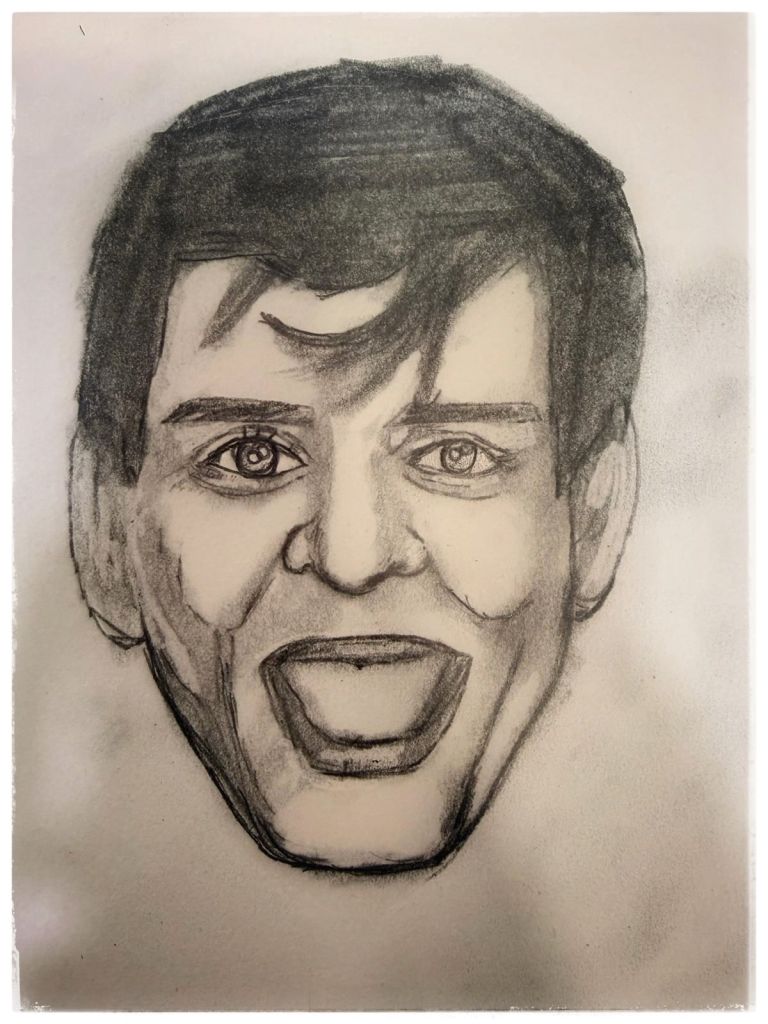
Talking about Bullets or Goli reminds me of Kalia aka Viju Khote!

Now have a magic sleep!

Shubh ratri!

It’s not fishy! It’s intelligence!

A Brief History of Intelligence by Max S Bennet is an interesting novel about the development of Intelligence (not only human mind you!)!

One interesting thing (there are many!) you can see is that the average Fish has got this inbuilt capability which even the most important and really clever species; the bee does not have!

It knows the passage of time! It can tell time would have been more dramatic but that is not technically true!

In this novel he traces the development of the intelligence from the first ‘brain’ to the complex one we see in most of your skulls!

This is of course the base of explaining how the development leads to the development of AI! Now just like many computers; some people have the hardware but do not use it! Instead they read a ‘manual’ and follow the rules!

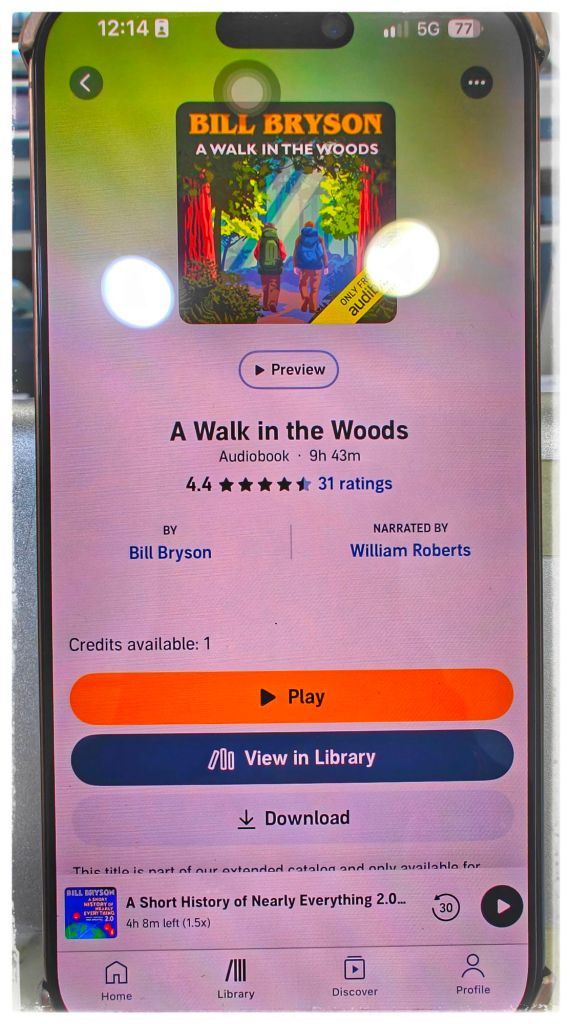
In the case of fish listen (sorry I heard it on the audible so that is stuck to my mind! Nothing fishy! You can READ!) to the experiment first.

You keep the fish in a tank and once in a while you test for this ‘conditioned’ reflex! In one experiment; the researcher puts on the light over a dark tank and gives a ZAP! Which is a short electric charge which shocks the fish! Very fishy and shocking! Now it does not harm the fish but it does feel the shock which is not pleasant!

So the next time the researcher puts on the light, sure enough; the fish escapes before the shock!

Now what is so great about this you say!?

Glad to see you are using your ‘hardware’!

Apparently the fish does not escape immediately after the light is switched on! But after some time!

At this point you must know that there is a time interval of around 5 seconds after the light is put on and the ZAP is delivered!

The fish escapes exactly FIVE seconds AFTER the light is switched on!

The fish and the time to zap! Like the meme goes! IT KNOWS!
Like always what we know is a DROP in the OCEAN of knowledge!

But who would have thought that fish would have time intelligence!

Now intelligence is the hallmark of a country! And the one who is the legend when it comes to intelligence and secret service is Ajit Kumar Doval!

That’s not fishy!

Shubh ratri!

Soumitra da!


In Technology of the Gods: The Incredible Sciences of the Ancients, author David Hatcher Childress highlights the Iron Pillar of Delhi as a prime example of “impossible” ancient Indian metallurgy.

He argues that this 1,600-year-old, rust-resistant pillar is evidence that ancient civilizations possessed advanced, lost knowledge of iron-working and chemical engineering, rather than being primitive.

Childress points to the pillar’s ability to withstand corrosion for over a millennium as evidence of a specialized, almost alchemical, manufacturing process.

In another book called Ancient Hindu Science: Its Transmission and Impact on World Cultures, Alok Kumar positions Charaka, Shuśruta, and Kauṭilya as foundational, intellectual, and scientific figures rather than merely religious or mythological ones.

All medical students need to read history and most of the history begins with the mention of the earliest physicians and surgeons of the world!

Charaka and Shuśruta!

Kumar highlights that Charaka (medicine) and Shuśruta (surgery) developed a highly sophisticated, empirical system of medicine.
He states that these texts provide evidence of advanced understanding of the human body, anatomy, and surgical techniques (such as plastic surgery) that was later transmitted to the Arab world and subsequently to Europe!

He uses Kauṭilya’s writings to illustrate how the state supported technological advancements like “Wootz” (Damascus) steel, which was highly advanced for its time!

In fact there are countless such examples all over our country!

Sometimes what sounds of looks primitive is only one’s opinion or ignorance!

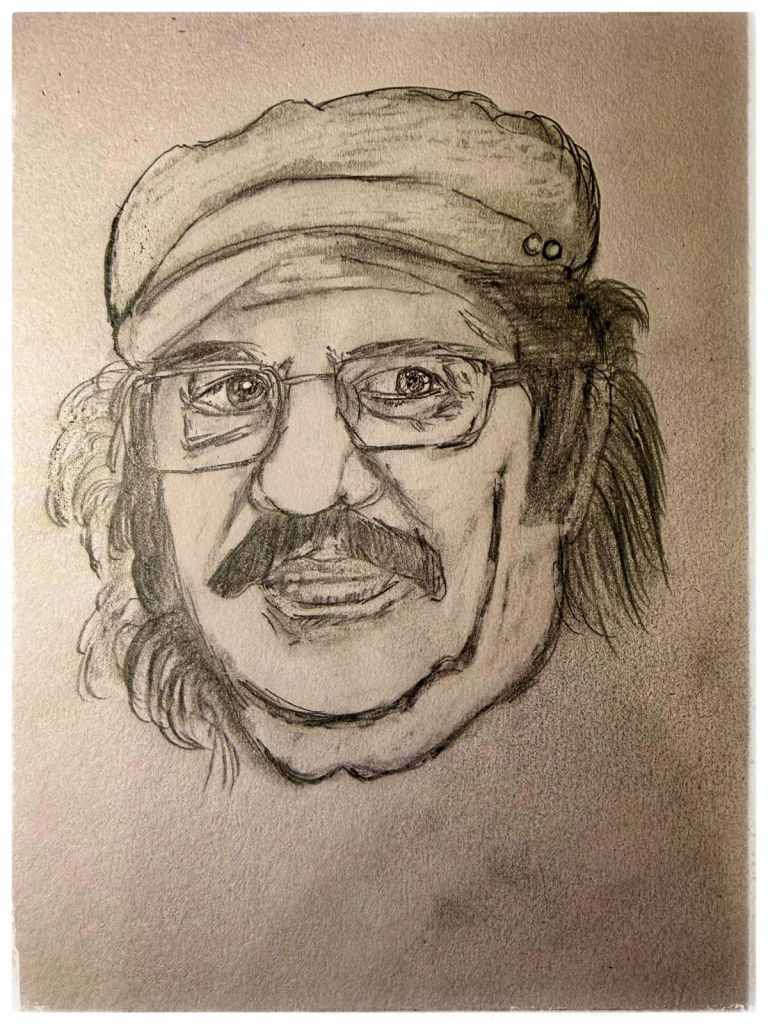
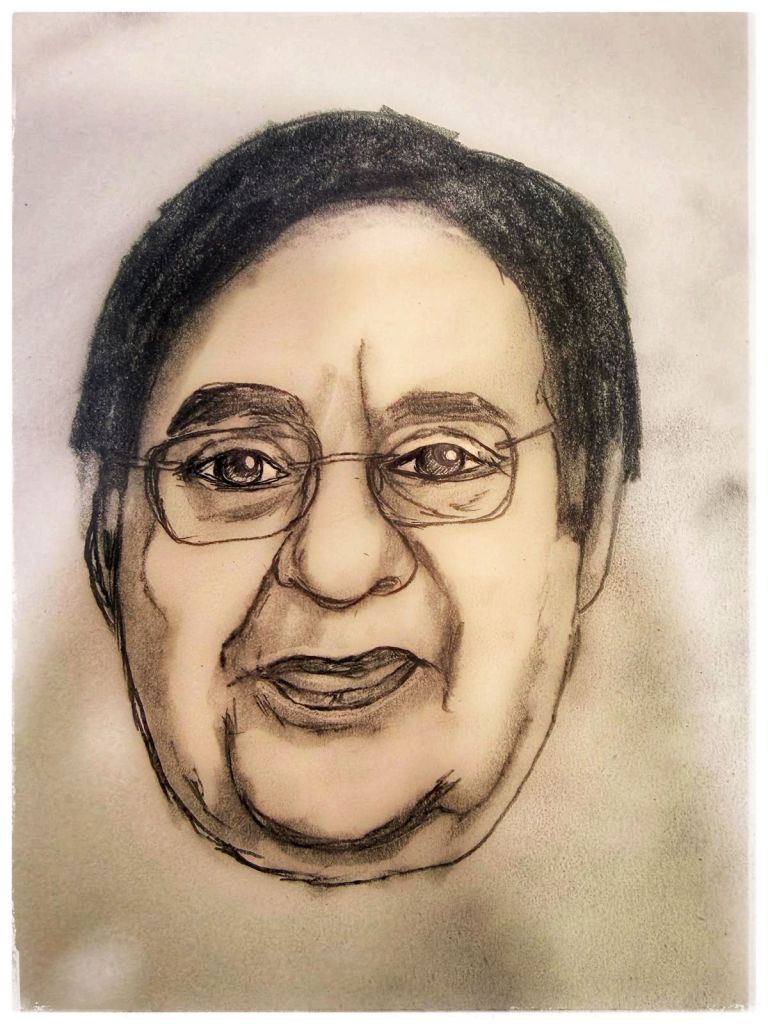
One opinion is also that Feluda was a combination of Sherlock Holmes and Tintin! I used to love reading his adventures! The first actor to play him was the legendary
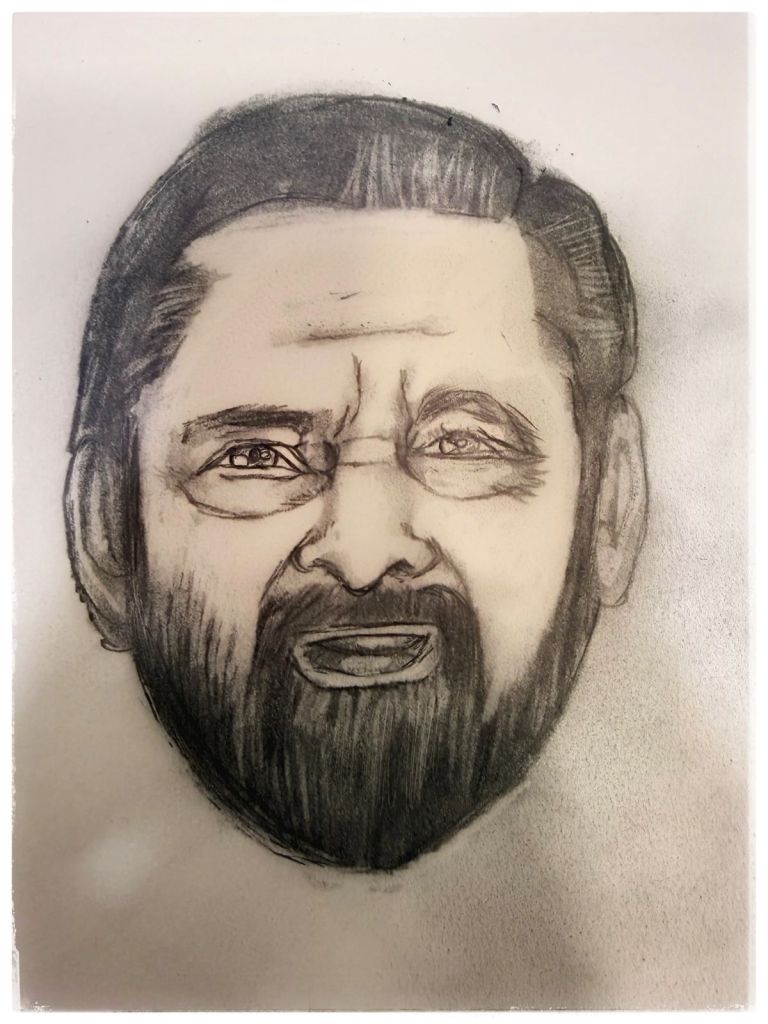
Soumitra Chatterjee or Soumitra da!

Now if you want to know about him start with Apur Sansar! It is slow so don’t sleep!

Shubh ratri!

Ma daughter is ma!

A lucky ‘man’ gets a great mother though all mothers are great! A luckier man gets a great wife in addition to a great mother! The luckiest though are those who get a daughter!

The father daughter bond is one of the most purest and sacred!

When I first held my very pink just born daughter in my trembling hands I was so overwhelmed to have been chosen to be the father of this angel!

I simply held her and exclaimed that, “She looks like my mother!” and ran out to ‘show’ off to everyone!

My mother in law ran behind me saying, “Do not forget your wife who is still in recovery!”

A Man is thus known by how he treats three women of his life; mother wife and daughter!

In Bengali culture (I have a close association with that!); daughters, especially from a father, are often affectionately called “Maa” (mother) as a term of deep respect, seeing them as embodiments of the divine mother (Maa Durga)

Now the formal word for daughter is “meye” (মেয়ে) or “konnya” (কন্যা).

This affectionate naming reflects honor, not burden, with fathers calling their daughters “Maa” and sometimes even “Baba” (father) to show love and respect, similar to how sons might be called “Baba” or “Khoka”!

This practice highlights the elevated status of daughters in Bengali families, viewing them as goddesses. It’s a term of endearment, signifying love and reverence, not a literal role reversal!

Now although it is a reference to Ma Durga; it is also a reference to your own mother! Father many times treats their daughter as they treat their mother while the daughter when she gets old, treats her father like a mother!

Which is why they are called MA!

Then again you treat your mother with pure respect and you treat your daughter with pure love! Then what about the wife  you say?

Well, it is an amalgamation of both love and respect! The percentages differ every other day!


Lucky are those who still can call up their mother!

My calls are one way for some time now…

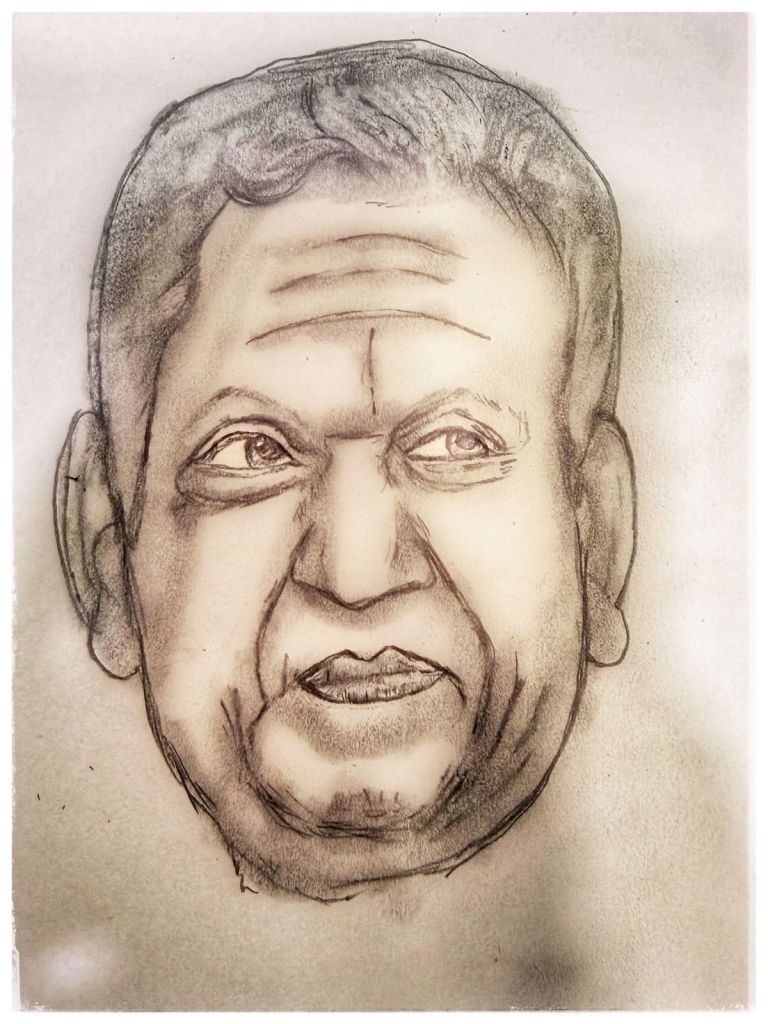
A sketch of a Ma! Durga Khote ji…

Shubh ratri…

That’s soothing!

An observant chemist made this discovery reach almost all households all over the world!

You can apply if over intact skin or dry ones or even your lips!

The chemist used to even eat it!

The chemist was Robert Chesebrough (1837–1933) who was a British-born American chemist

In 1859, Chesebrough visited oil fields in Titusville, Pennsylvania, where he observed oil workers using a waxy residue called “rod wax” to heal cuts and burns.

He then spent a decade refining the waxy residue into a clear, odorless gel using vacuum distillation and filtration through bone char.

The name he gave to the ‘mix’ was a combination of German word for water and Greek word for oil! Now that is a combination!

He opened his first factory in Brooklyn, New York and later on merged with Pond’s Extract Company to form Chesebrough-Pond’s!

As late as 1987; the brand was acquired by Unilever, which continues to own and manufacture it today!

What is interesting is that Chesebrough was a fervent believer in the medicinal properties of his invention, leading to several famous claims!

He reportedly ate a spoonful of his product every morning and attributed his longevity—he lived to the age of 96—to this practice!

During a severe bout of pleurisy in his later years, he had his body completely covered in his product and credited his recovery to the treatment.

To prove the product’s effectiveness to skeptics, he would publicly burn his skin with acid or fire and then apply his product to the wound to show its healing power!

Even now many use this for its healing and moisturising properties!

No household is complete without it and the trade name is as well known as Coke!

The German word for water is wasser and the Greek word for oil is elaion!

Did you get the name of the product now?

It is wasser plus elaion or VASELINE!

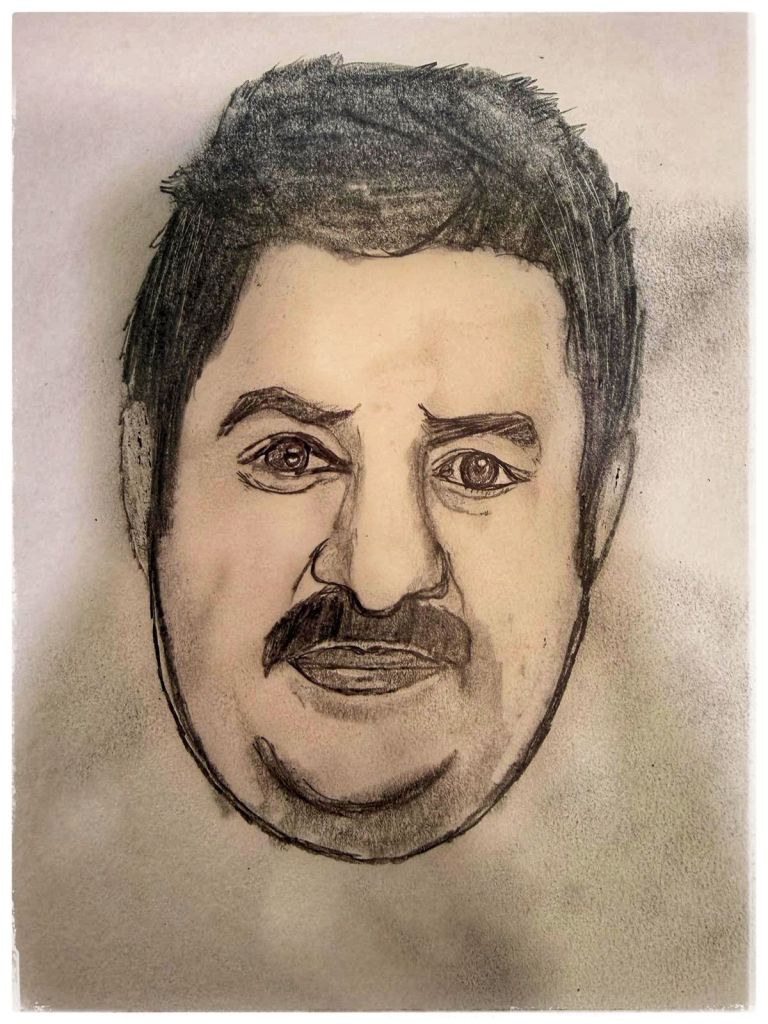
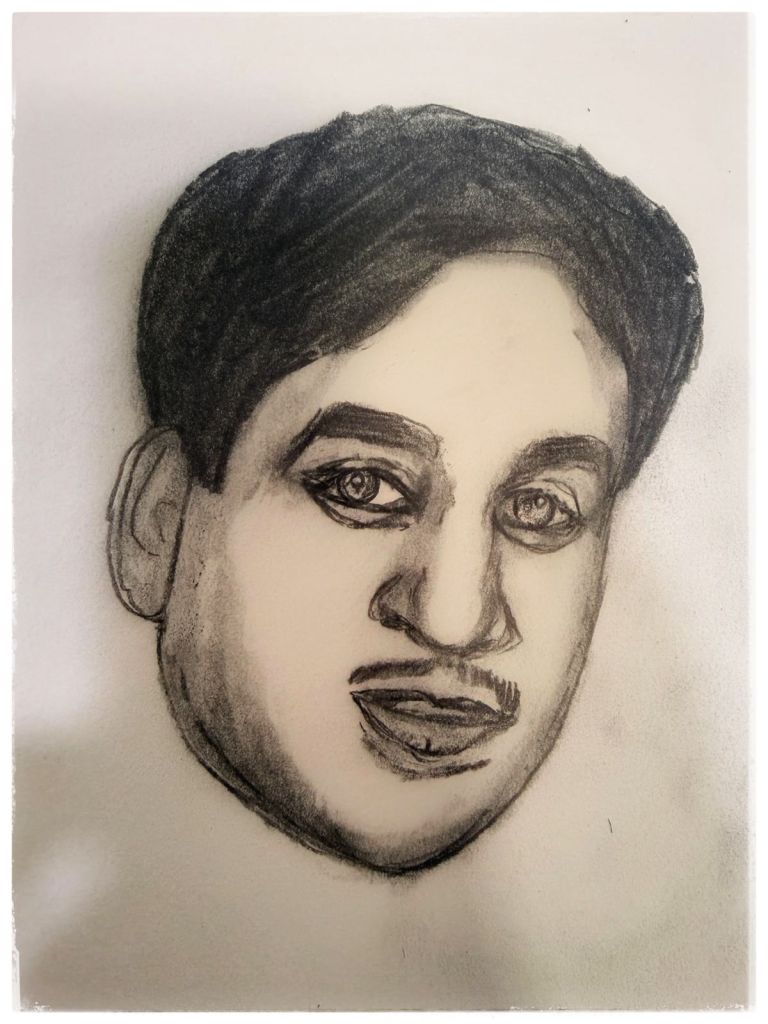
The one stop solution for everything from cuts to burns! Giving solution to many problems also was the role of many great leaders like MGR!

Now apply some Vaseline over your dry lips and sleep!

Subh ratri!

Moksha patam!

Many of you would have played Snakes and Ladders or as the Americans know it; Chutes and Ladders!

The worst is above 90 when you get a big Chute or Snake and you are almost back to the starting point!

It has been played all over the world since 1960s! While Indians have been playing the ‘original’ version for centuries!


Yes! You read that right!

That original game was called the Moksha Patam!

This is the ancient Indian precursor to the modern game of Snakes and Ladders and was a series of moral lesson disguised as a board game, teaching virtues (ladders) uplift you towards enlightenment (Moksha), while vices (snakes) lead to downfall, reflecting Hindu philosophy on karma and spiritual journey.

It was originally designed to illustrate concepts from the Upanishads and Bhagavad Gita, helping players understand the consequences of their actions as they race to the top square, representing liberation from the cycle of rebirth.

Developed in ancient India, possibly around the 2nd century BC or later by saints like Sant Dnyaneshwar.

The game had deep spiritual meaning with a metaphor for life, where good deeds (ladders) and bad deeds (snakes) influence one’s spiritual progress!

The Moksha Patam features a grid board with ladders (virtues like generosity, faith) and snakes (vices like lust, anger).

Of course the final goal was to reach the final square, symbolizing Moksha or  (liberation).

The game powerfully illustrates that virtuous actions lead to spiritual ascent, while vices lead to moral descent, guiding players on their path to self-realization.

The modern version of course is simply fun!

The game was brought to the United Kingdom in the 1890s by colonial rulers and introduced as “Snakes and Ladders”, where the moral and religious aspects were diminished and the number of snakes and ladders were equalized.

It was later introduced in the United States by Milton Bradley in 1943 as Chutes and Ladders, which used a playground theme instead of snakes!

Now that is history! You must look into the future but do remember your history! A brief lesson in history that was! A brief history of time though was the classic novel written by the one with a sharp mind; Stephen Hawking!

Now you may be old to play snakes and ladders; you are never old to play Moksha Patam in real life! Think about it!

Shubh Ratri!

The intelligence of the nematode!

A Brief History of Intelligence by Max S Bennet is an interesting novel about, well Intelligence! Not necessarily human!

When you see the raw feeling then it is really simple!

Let me explain (Or try to at least!)

Why does a hungry person steal? Duh! Because he or she is hungry!

So whether or not anyone would steal is a simple matter of proportion!

If one person is very hungry and the risk of getting caught is medium to high then he or she would still steal! He or she would anyway steal if he or she is hungry and the risk of getting caught is very less! In fact he or she may steal even if he or she is not hungry if the risk of getting caught is less or nil!

If the risk of getting caught is high and the hunger or motivation is less then he or she will not steal!

This is only one simple example!

This is true even in the case of an investment!

If the risk is low then you or anyone would invest provided he or she had enough money! If the risk is high and the money is low or not there then no one would invest!

Most confusion happens only in the middle ground!

Risk is moderate and so is the money! Then you may have some variations though most of the time it is static in that case! Like your hunger is mild and risk to getting caught is very much present though just moderate; you will not steal in most cases!

This is the attitude of the most intelligent species in the universe!

It is always a matter of risk versus benefit!

Now let me tell you about the Nematode! It is a worm with a single opening for both food and well, excreta! The brain is just as small!

It does not have eyes or ears!

If you place a nematode in a dish with food on one side then it will slowly wriggle towards it! But if you place it along with copper which it does not like or is bad for it then it will not go towards it!

Now in the scenario of the human and food! If you place both food and copper together just imagine what it would do? Copper here is akin to the risk of getting caught!

The result is the same! If the worm is starving then even if the copper is high, it will still go for the food! If the worm is well fed then it will not! Only variation is when it is moderately fed and the copper levels are medium!

Then the simplest creature with a rudimentary brain does what every human would do!

Risk versus benefit analysis!

So the next time you feel proud writing the pros and cons list! Just know that even a nematode does that!

Then again an average nematode may not go to the space! That only some special talented humans can do like Rakesh Sharma!

Now understand the pros of sleeping on time and do!

Shubh ratri!

The 1_3_5 rule!

The seven habits of highly effective people by Stephen Covey talks about one of the most effective way of doing a job or completing a work!

The best thing to do is to tabulate the work!

Now you can do this mentally or physically! But that is only the first part!

Or if you have a paucity of time and patience then you can divide the work into major, medium and small or minor task!

After that you can simply follow the 1-3-5 rule!

This is a new trend which of course is a remix of several old trends but then if it works do not disturb the system!

So the 1-3-5 Rule is a productivity method for creating a balanced daily to-do list!

Everyday you have to do this task; One major, 3 medium and at least 5 small!

By doing this you prevent overwhelming of tasks by focusing on manageable chunks and ensuring progress on high-impact items.

It provides structure, reduces procrastination by tackling the biggest item first and offers flexibility by mixing quick wins with larger goals, applicable for freelancers, students, and professionals alike!

The first step of course is to identify you task! You can either use the Stephen Covey table of just a to do list!

Then zoom in on the one big task! This is a high-priority, time-consuming, or mentally demanding item (e.g., finish a project report).

Then find three important but lesser critical tasks and complete them!

Finally the five small tasks would then be easy quick wins (e.g., reply to emails, tidy desk, make a quick call!)

It is similar to answering questions on a paper! You must tackle the questions with the highest marks first! Once that is done you can do your own assessment and carry on! You can actually finish the smaller tasks before medium or vice versa!

This is because you tackle the big task first when you have the most energy, then move to medium, and finish with small tasks for momentum!

The benefit is that the list breaks large lists into a manageable nine items.

It also builds momentum and the finishing of small tasks provides quick wins, while the big task gets the most important work done!

You can also mixes challenging tasks with easy ones to keep the day varied and productive!

There are couple of tips and some flexibility though!

You have to be realistic and adjust the scope if tasks change, but try not to exceed nine total items; you can add a couple of smaller items though!

Like mentioned above, even though finishing the big task gives a big momentum you can still adapt to your day! You might do your medium tasks before your big one, or shift priorities as needed!

Like in an examination as before; answer a couple of easy questions to get a confidence boost and momentum and jump on to the big Guns…I mean ones!

All said and done, anytime you see someone who is as busy as you but still manages to do so much work; there is always a measure of organization involved!


Great people are amazing time managers!
Great and incredibly amazing was also Swamy Vivekananda

Now plan your tasks for tomorrow and sleep!

Shub ratri…